Skip to content
WOODLAND HILLS HQ OPEN 24/7 IICRC CERTIFIED CSLB LICENSED ★ 5.0 108 REVIEWS WATER FIRE SMOKE MOLD SERVING LA VENTURA ORANGE COUNTY
Service 02 · Mold Remediation

Mold removal and mold remediation in Los Angeles.

IICRC S520 protocols. Full containment. HEPA filtration. Documented clearance. Call (818) 486-6546 — we answer 24/7.

  • CSLB #1078518
  • IICRC S520 Certified
  • 24/7 Emergency Dispatch
  • 55-Minute Response Target
⚡ Call (818) 486-6546
<55minResponse target
S520IICRC standard
24/7Live dispatch
5.0108+ Google reviews
★ 5.0 from 108+ Google reviews · 200+ jobs completed since 2019 · Woodland Hills HQ · CSLB #1078518 · B-General + HAZ Certified
Section 01 · What we do

Mold remediation — not testing, not inspection.

We need to be clear up front about what we do and don’t do. Testing and inspection are industrial-hygienist services — a separate field from remediation.

What we do

  • Remove active mold contamination
  • Contain the affected area
  • Filter the air with HEPA
  • Treat remaining surfaces
  • Document clearance
  • Reconstruct what was removed

What we don’t do

  • Mold testing
  • Mold inspection
  • Air sampling
  • Surface sampling
  • Spore identification

Those are services performed by certified industrial hygienists and indoor-air-quality specialists. We can work alongside hygienists when test results are needed for clearance or insurance, but we don’t perform the testing ourselves.

Why this matters: a company that does both inspection and remediation has a financial incentive to “find” mold that requires remediation. We avoid that conflict by sticking to what we do — remediation per IICRC S520. If you need testing first, we refer you to independent hygienists. If you already have results or visible growth, we remediate.

Section 02 · IICRC S520

S520 defines three conditions.

The IICRC S520 standard defines three conditions for indoor environments. Each requires a different response — and condition assignment determines the scope of work.

Condition 1 · Normal

Normal Fungal Ecology

Description
Settled spores, fungal fragments, or traces may exist, but the ecology is consistent with normal indoor levels for the region.
Response
No remediation needed. Maintain normal indoor air quality.
Condition 2 · Settled Spores

Settled Spores

Description
Primarily contaminated with settled spores or fragments dispersed from a Condition 3 area. Not actively growing here, but they need to be removed.
Response
Cleaning, HEPA vacuuming, antimicrobial treatment. Limited containment.
Condition 3 · Actual Growth

Actual Growth

Description
Active fungal growth on materials — visible colonies, water damage sustaining growth, or growth confirmed by testing.
Response
Full remediation: containment with negative air, removal of porous materials, HEPA filtration, antimicrobial, clearance documentation.

What this means for your job: a Condition 2 job is dramatically smaller than a Condition 3 job. Honest condition assessment matters for both your wallet and the outcome — we document the condition determination in writing as part of the scope.

Section 03 · Scenarios

The mold calls we get most.

Most mold work falls into one of these seven. The remediation protocol stays IICRC S520 — the scope changes with the condition and the source.

Bathroom mold

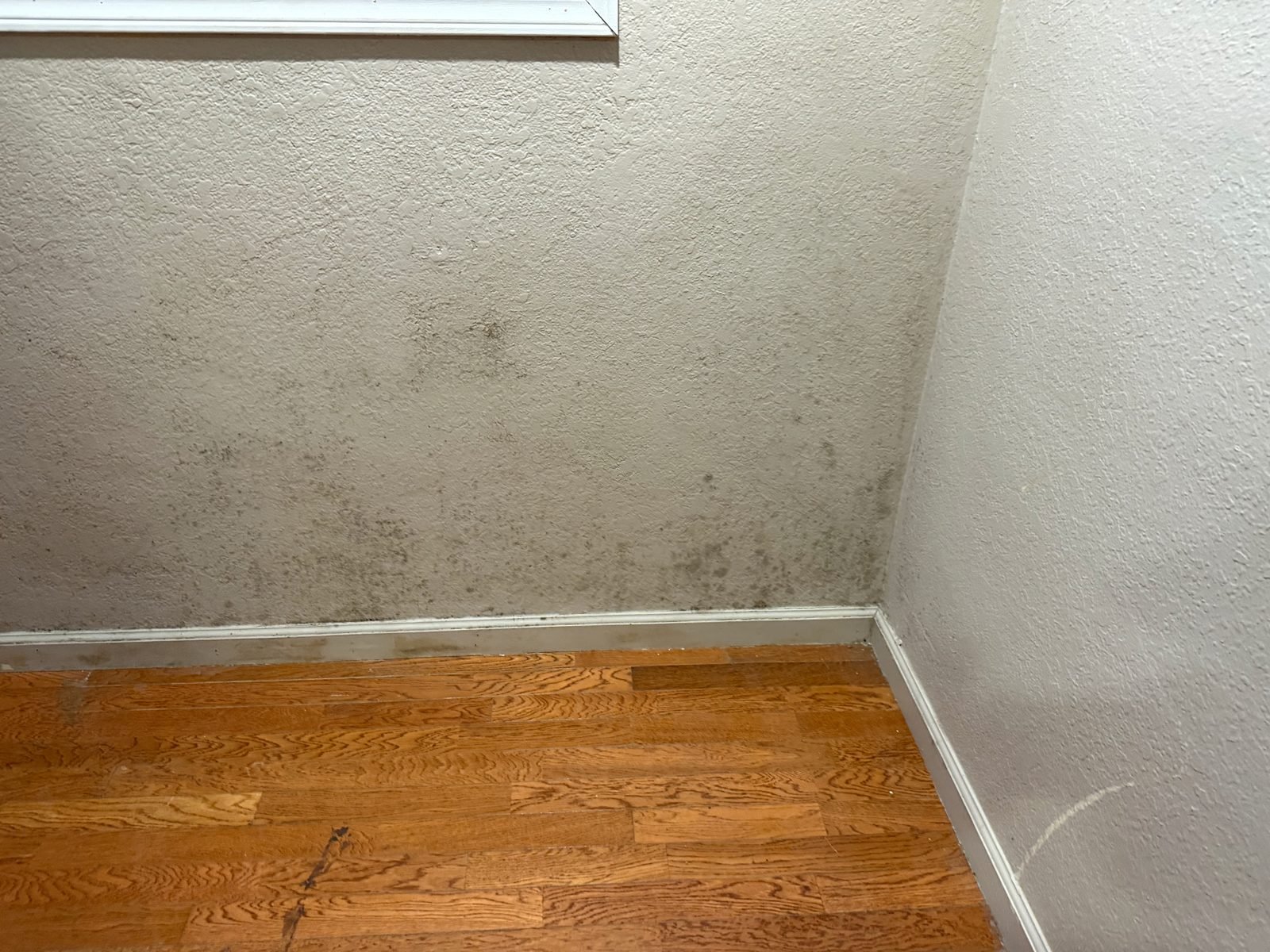
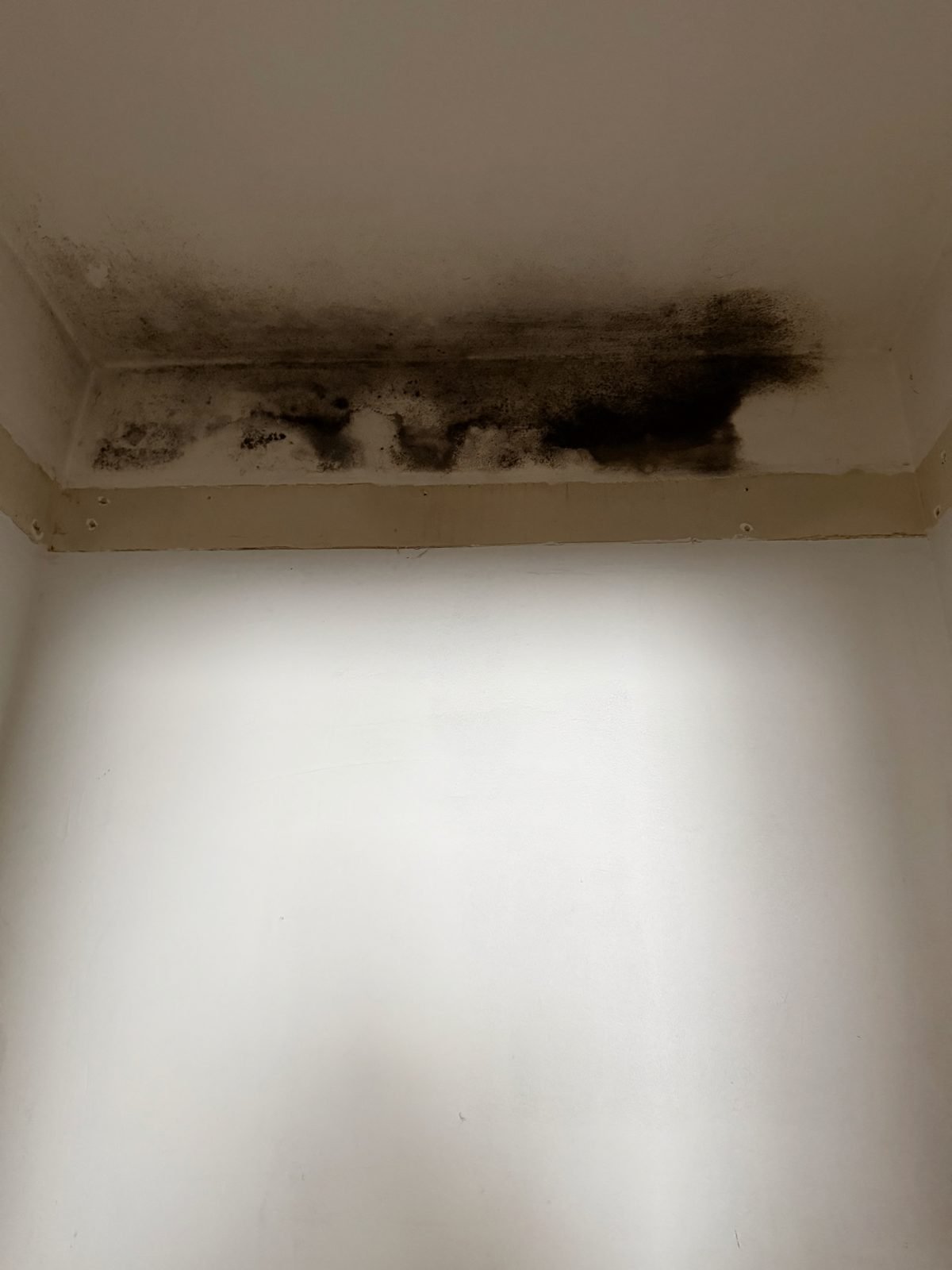
Black or pink spots on the ceiling, around windows, behind the toilet, in shower grout. Usually surface-level Condition 2 or limited Condition 3 — often poor ventilation, not water damage.

Hidden behind-wall mold

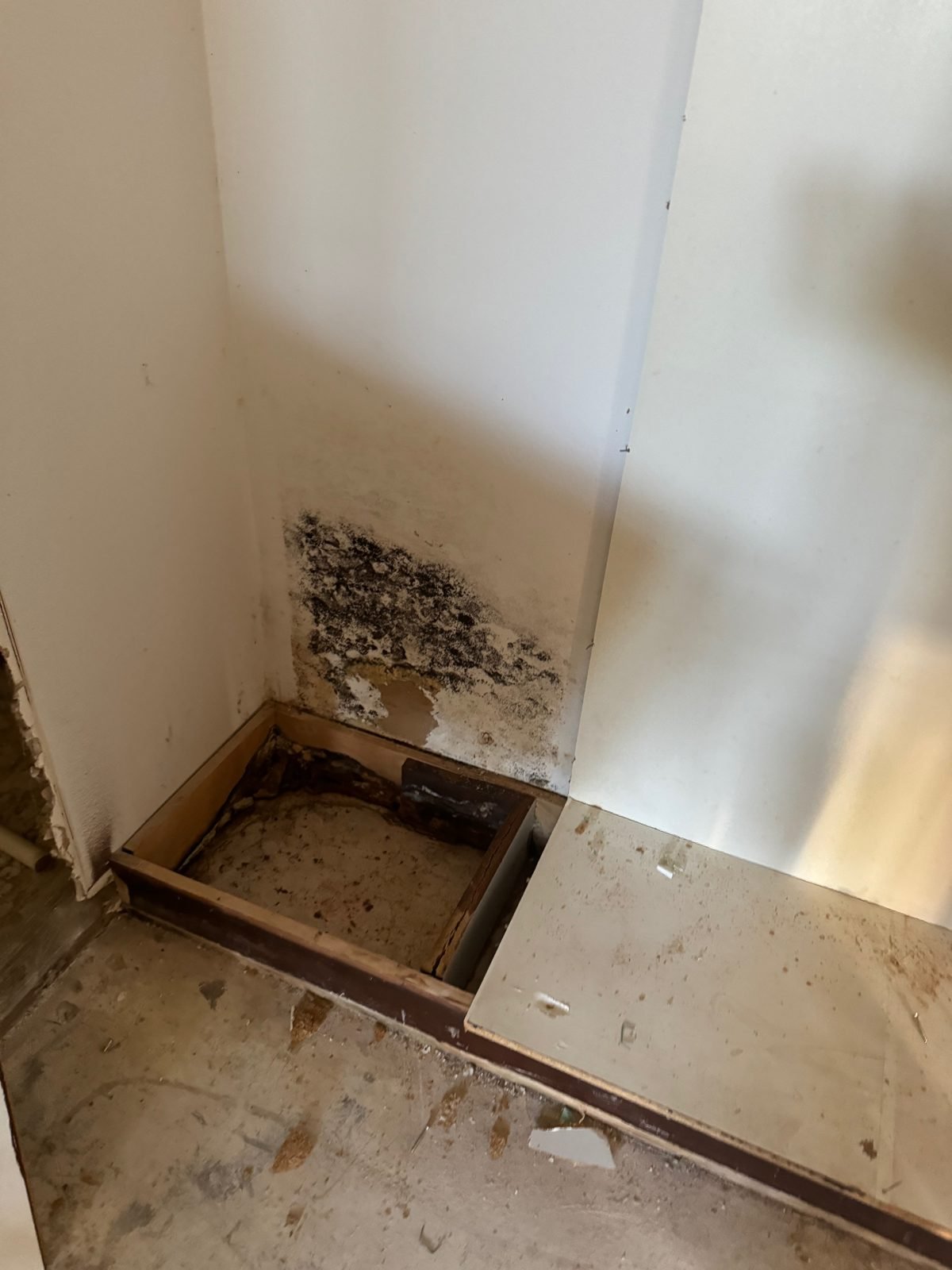
Found when drywall is opened for another reason. Common after slow leaks that weren’t remediated. Often Condition 3 with extensive growth that spreads to HVAC.

Black mold (Stachybotrys)

The species people fear most. Remediation protocol is the same regardless of species — S520 doesn’t change by species. If your hygienist identifies the species, we incorporate it into clearance documentation.

HVAC system mold

Growth in air handlers, ductwork, or coils spreads spores throughout the property. Requires a coordinated HVAC professional + remediation team. We work with HVAC contractors when needed.

Crawlspace + attic mold

Often found during a home inspection or HVAC service — ventilation issues, roof leaks, vapor-barrier failures. Remediation includes the moisture source; without fixing it, mold returns.

Pre-sale real estate

Found during inspection, listed in seller disclosure. Buyers often request remediation as a condition of sale. We provide remediation reports formatted for real estate transactions.

Post-water-damage mold

Spores activate within 24–48 hours of water exposure. If water damage wasn’t fully dried, mold often follows — many mold jobs start as incomplete water restoration.

Don’t see your situation?

Every mold job is different. Tell us what you’re seeing and we’ll scope it honestly — no pressure, no upsell. Call (818) 486-6546 or book a free assessment.

Section 04 · Why DIY fails

Visible mold is about 10% of the problem.

Most homeowners scrub the visible spot, paint over it, and hope — and it comes back within months. The reason: roughly 80–90% of mold growth lives in cavities you can't see. Surface treatment without fixing the moisture source fails about 80% of the time within a year. We trace and fix the source under our CSLB Class B license, so the fix is permanent.

Behind drywall

The back of the board

Mold grows on the cellulose paper backing within 48 hours of saturation. The surface looks fine; a moisture meter or borescope tells the truth. It can spread 4–10× the visible area.

HVAC & ducts

The whole-house spreader

Spores from a single cavity distribute through every room via the air handler. Until the coil, ductwork, and filter are addressed, surface cleaning keeps getting re-contaminated.

Subfloor & joist bay

Under the floor you can't see

Engineered hardwood looks dry on top while the plywood subfloor and joist bay below hold water for days — breeding mold inside the structural cavity for months before any sign shows.

To find hidden growth we use visual assessment and moisture mapping to scope the remediation — we don't perform mold testing or inspection. When lab analysis or clearance is needed, we coordinate independent third-party industrial hygienists.

Section 05 · How we remediate

Eleven steps, per IICRC S520.

Every job follows the same path, same crew start to finish — with containment and HEPA filtration built into the protocol, not bolted on after.

Step 01

Initial Call + Dispatch

24/7, answered immediately. We ask about visible growth, water history, and occupant health concerns. Honest arrival window given.

Step 02

On-Site Assessment

Visual assessment of affected + adjacent areas to scope remediation work. Moisture readings. Condition determination per IICRC S520. Written scope drafted.

Step 03

Hygienist Coordination

If pre-remediation testing is needed, we coordinate with independent industrial hygienists. We don’t perform testing ourselves.

Step 04

Insurance + Authorization

With your authorization, we coordinate documentation with your carrier. Most mold tied to covered water damage is covered.

Step 05

Containment Setup

Area sealed with 6-mil poly and critical barriers. Negative-air machines pull air OUT through HEPA to prevent cross-contamination.

Step 06

PPE + Worker Safety

Full PPE for the team: respirators, Tyvek suits, gloves. Worker safety per IICRC S520 and Cal/OSHA standards.

Step 07

Removal

Affected porous materials removed and bagged in sealed containment bags, disposed per S520. Non-porous materials cleaned in place.

Step 08

HEPA Filtration

HEPA air scrubbers run throughout and post-removal — multiple air exchanges per hour, continuing through the clearance phase.

Step 09

Antimicrobial Treatment

EPA-registered antimicrobials applied to remaining surfaces per manufacturer protocols. Treatment documented.

Step 10

Verification + Clearance

Visual assessment of cleaned surfaces to confirm remediation is complete. If third-party clearance testing is required, we coordinate with a certified industrial hygienist.

Step 11

Reconstruction

Drywall, paint, flooring, trim — whatever was removed gets rebuilt. Same licensed team, no waiting on a separate contractor.

Start to finish

Questions about the process?

Same licensed crew through every step — no handoffs. Call (818) 486-6546.

Section 06 · The containment science

Why containment is the most important part.

Without proper containment, mold remediation actively makes things worse. Cutting into contaminated drywall releases millions of spores — the whole job is keeping them from spreading.

Without negative-pressure containment, spores released during removal spread through the entire property — into HVAC, settled on furniture, embedded in carpet. That’s how unqualified mold work turns a small bathroom job into a whole-house contamination job.

Poly sheeting

6-mil polyethylene barriers floor to ceiling, sealed at all edges with duct tape. Two layers at high-disturbance areas.

Critical barriers

Door openings sealed with 6-mil poly and zipper access. Entry creates an airlock effect.

Negative air pressure

A HEPA scrubber pulls air OUT of the contained area — pressure inside is lower than outside, so air flows IN, not out. Spores can’t escape.

Air exchanges

Industry standard is 4–6 air changes per hour minimum. Larger areas need higher-CFM machines.

HVAC isolation

The HVAC system is shut down during remediation. Vents in the containment area are sealed.

Documentation

Containment setup photographed and recorded. Negative pressure verified with a manometer.

STRUCTURECONTAINMENTNEGATIVE AIRHEPA SCRUBBEREXHAUST

Fig. 02 — Negative-pressure containment

This is what separates IICRC S520 remediation from “a guy with bleach and a shop vac.”

The equipment behind the containment
Negative Air Machine
2,000 CFM
HEPA Air Scrubber
500 CFM
HEPA Filter Cart
99.97%
Pressure Monitor
Neg. pressure verify
Moisture Meter
Pin + pinless
Section 07 · Mold and health

Mold and health — the real talk.

Mold exposure can affect health, especially for sensitive groups. Here’s the honest picture, per CDC and EPA guidance.

Most affected groups

  • People with mold allergies
  • Asthmatics + respiratory conditions
  • Immunocompromised individuals
  • Infants and young children
  • Elderly individuals
  • Anyone with prolonged exposure

Common symptoms (CDC / EPA)

  • Respiratory symptoms (cough, congestion, wheezing)
  • Eye irritation
  • Skin irritation
  • Allergic reactions (sneezing, runny nose)
  • Headache (in some cases)
  • Exacerbation of existing asthma

We are not medical professionals.

If you suspect health symptoms related to mold exposure, consult a physician. Health concerns require medical evaluation, not contractor opinions. Our role is removing the contamination — your doctor’s role is evaluating health impact.

If your doctor needs information about the remediation for medical records or workers’ compensation, we provide complete documentation of containment, removal, and clearance.

Section 08 · Mold species

Color isn't the indicator — moisture and species are.

"Black mold = toxic, everything else = fine" is a myth. Several common LA species cause health effects regardless of color. The remediation protocol is the same under IICRC S520; the urgency varies. Species is confirmed by independent lab testing (third-party hygienists, not us) — but every visible growth gets removed regardless of species.

★ Stachybotrys chartarum

Black mold

Greenish-black and slimy; grows on wet drywall, paper, and fabric. Produces mycotoxins — the species behind most "toxic mold" headlines, though rarer than people assume.

  • Where Wet drywall, paper
  • Health risk High
Cladosporium

The most common in LA homes

Olive-green, gray, or brown. Triggers allergies and asthma. Found on damp surfaces, AC drip pans, and bathroom grout.

  • Where HVAC, bathrooms, fabric
  • Health risk Moderate
Aspergillus / Penicillium

The common pair

Often appear together — white, gray, or green-blue. Found in HVAC, water-damaged wood, and basements. Some Aspergillus species cause aspergillosis, serious in immunocompromised people.

  • Where HVAC, wood, basements
  • Health risk Moderate–High

Educational information drawn from CDC, EPA, and IICRC guidance — we are remediation professionals, not medical professionals. If you have health concerns, consult a physician.

Section 09 · Property impact

Mold damages more than air quality.

Even with no obvious health symptoms, untreated mold causes real property damage — and it compounds the longer it sits.

Structural materials

Mold breaks down cellulose in drywall, wood, and paper-based materials. Long-term growth causes drywall to crumble and wood to rot.

HVAC system contamination

Spores spread through ductwork, settle on coils, and contaminate the entire air system. HVAC cleaning becomes part of the scope or required separately.

Furniture + possessions

Porous items — upholstery, mattresses, books, papers — can be permanently contaminated. Often disposal is the only option.

Property value

Mold disclosures reduce sale price and slow time-on-market. Inspection reports that flag mold can derail closings. Lenders may require proof of remediation before financing.

Insurance coverage shrinks

Most policies cover mold from sudden water events. Mold from gradual leaks or deferred maintenance often falls outside coverage — the longer it sits, the harder coverage becomes.

The cost of remediation now is almost always lower than remediation plus reconstruction plus disclosure devaluation later.

Section 10 · Results

Real mold remediation jobs.

Before & after photos from real jobs, added as client-permission photos are gathered.

Before / After · coming soon

Real job photos coming soon — each remediation follows IICRC S520 protocols with photo documentation throughout. Call (818) 486-6546 to discuss your situation.

Section 11 · Insurance

How insurance works for mold remediation.

Mold coverage varies more than water-damage coverage — sub-limits, endorsements, and source all matter. Here’s the real picture.

Mold from a covered water eventUsually covered

Burst pipe → wet drywall → mold within 48 hours.

Mold from a gradual leakVaries

Depends on policy and circumstance.

Mold from deferred maintenanceNot covered

Typically outside coverage.

Mold sub-limits$5K–$25K cap

Many CA policies cap mold; some require a specific endorsement.

  1. You sign a Limited Authorization to Repair so we can coordinate with your carrier
  2. We document everything per IICRC S520 (condition, photos, scope, containment, removal logs)
  3. We submit the scope to your adjuster
  4. Adjuster reviews; often requests a site visit
  5. Once approved, we proceed with the work
  6. We invoice the carrier directly with your written authorization
  7. You typically pay only your deductible (within policy mold limits)
Condition
S520 determination
With written justification.
Photos
Before / during / after
Every affected area.
Containment
Setup + neg. pressure
Verified with a manometer.
Clearance
Documented
With or without third-party testing.
State Farm Allstate Farmers USAA AAA Liberty Mutual Travelers Mercury Nationwide Progressive Safeco MetLife Hartford Chubb CSAA Pacific Specialty Wawanesa Don’t see your carrier? Call (818) 486-6546 →

Section 12 · What it costs

What mold remediation actually costs.

Honest ranges by size and scope. Most clients pay only their deductible — within policy mold limits — and we bill the carrier directly. Your scope is documented in writing.

Spot

$1,500 – $4,500

Single area · under 10 sq ft

  • Scope One room, limited containment
  • Timeline 1–2 days
Standard

$4,000 – $12,000

Multi-room · full containment

  • Scope HEPA, removal, source repair
  • Timeline 3–7 days
Major

$12,000 – $40,000+

Whole-home · structural

  • Scope Multi-zone, HVAC, rebuild
  • Rebuild In-house CSLB Class B

Ranges are estimates. Actual cost depends on affected square footage, hidden growth in cavities and HVAC, species, and the scope of moisture-source repair and rebuild. Mold coverage varies — most policies cover mold tied to a sudden covered water event, often with a sub-limit ($5K–$25K typical); gradual or maintenance-related mold is frequently excluded. We document to IICRC S520, coordinate directly with your carrier, and most clients pay only their deductible within those limits. CSLB #1078518 · Est. 2019.

Section 13 · Where we remediate

Three counties, one dispatch.

We dispatch from Woodland Hills across LA, Ventura, and Orange Counties. Full coverage in all three (130+ cities) — if you don’t see your city, call us.

Los Angeles County

Woodland Hills · Tarzana · Encino · Calabasas · Hidden Hills · Bell Canyon · West Hills · Chatsworth · Sherman Oaks · Studio City · Beverly Hills · Brentwood · Pacific Palisades · Malibu · Topanga · Santa Monica · Pasadena · Altadena · Glendale · Burbank

Ventura County

Thousand Oaks · Westlake Village · Newbury Park · Camarillo · Oxnard · Ventura

Orange County

Anaheim · Irvine · Newport Beach · Costa Mesa · Huntington Beach · Santa Ana

Section 14 · Common questions

Common questions about mold remediation.

The questions we hear most. For more, see the full FAQ.

Do you do mold testing?
We perform mold remediation only, never testing or inspection. Testing and inspection are a separate specialist field — we coordinate with independent third-party industrial hygienists when formal testing or clearance is needed. We don’t perform our own testing because that’s a conflict of interest for a remediation company. Some clients choose remediation without separate testing, and that’s their decision.
How fast can you arrive?
Our target on-site response is under 55 minutes anywhere in our service area. Mold is usually not an immediate emergency unlike water damage — but we treat all mold calls with urgency, because moisture-driven growth continues until remediated.
Will my insurance cover mold remediation?
It depends on the source. Mold from sudden water events (burst pipe → wet drywall → mold) is typically covered. Mold from gradual leaks or deferred maintenance often has coverage limitations. Most policies have mold sub-limits ($5K–$25K typical). We coordinate with your carrier and adjuster directly with your written authorization.
How long does mold remediation take?
Small Condition 2 jobs (cleaning, limited containment): 1–2 days. Standard Condition 3 jobs (full containment, removal, HEPA, antimicrobial, clearance): 3–7 days. Large or hidden Condition 3 jobs with reconstruction: 2–4 weeks. We give you a realistic timeline on the first assessment.
Do I need to leave my property during remediation?
Usually not. Most mold remediation can be performed with occupants present in unaffected areas — the containment isolates the work area. Exceptions: large-scale Condition 3 with HVAC involvement may require temporary relocation, especially for immunocompromised occupants or families with infants.
Why is full containment so important?
Cutting into mold-contaminated drywall releases millions of spores into the air. Without negative-air-pressure containment, those spores spread through the entire property — into HVAC, settled on furniture, embedded in carpet. Improper “remediation” without containment makes things worse, which is how DIY mold removal turns small problems into whole-house contamination jobs.
How much does mold remediation cost in Los Angeles?
Spot jobs (single area, under 10 sq ft) typically run $1,500–$4,500. Standard multi-room remediation with containment runs $4,000–$12,000. Major whole-home or structural work with rebuild starts around $12,000 and can exceed $40,000. The biggest drivers are affected square footage, hidden growth in cavities and HVAC, species, and how much moisture-source repair is needed. We document everything to IICRC S520 and bill insurance directly — most clients pay only their deductible within policy mold limits.
Is black mold really that dangerous?
Black mold (Stachybotrys chartarum) gets the headlines because it produces mycotoxins — but Aspergillus, Penicillium, Cladosporium and other common species also cause respiratory, allergic, and immune effects. Color isn’t the right indicator; moisture and species are. From a remediation standpoint every visible growth gets the same IICRC S520 protocol regardless of species. If species identification is needed, independent third-party hygienists handle the lab testing — we focus on remediation.
Why does DIY mold removal usually fail?
Because visible mold is only about 10% of the problem — roughly 80–90% lives in cavities behind drywall, in HVAC, under flooring, and inside insulation. Surface treatment without fixing the moisture source fails about 80% of the time within a year. We’re a CSLB Class B general contractor, so we trace and repair the source — slab leak, roof, plumbing, condensation — as part of the same project. That’s the difference between a permanent fix and a temporary one.
How do I know if I have hidden mold?
Common signs are a persistent musty smell, a history of water damage or a slow leak, or allergy/asthma symptoms that ease when you leave the house. Hidden growth typically sits behind drywall, in the HVAC system, or under flooring. We use visual assessment and moisture mapping to scope the remediation — we don’t perform testing or inspection ourselves. If lab analysis is needed to confirm, we coordinate an independent industrial hygienist.

See all FAQs →

Section 15 · Ready when you need us

Mold doesn’t stop growing. Neither do we.

Have mold? Call now.

24/7 dispatch across LA, Ventura, and Orange Counties.

(818) 486-6546

Need an assessment? Book a free visit.

On-site visit with written scope, condition determination, and pricing.

Dispatch · (818) 486-6546