
Toilet backup
The most common residential sewage scenario. A toilet overflows from an internal blockage or downstream issue. Usually contained to one bathroom, but it spreads if not addressed immediately.
Toilet backups, sewer-line failures, septic overflows. IICRC S500 Category 3 protocols, full PPE, EPA-registered sanitization. Call (818) 486-6546 — we dispatch 24/7.
Sewage backup is the worst restoration call a property owner can make — traumatic to discover, hazardous to handle, and impossible to DIY safely. We need to be direct about what it involves.
The highest contamination category under IICRC S500. It contains pathogens (bacteria, viruses, parasites), chemical contamination, and biological waste.
Carpet, padding, drywall, insulation, particle board, and soft furnishings that touch sewage must be removed and disposed of per Cat 3 protocols.
Respirators, Tyvek suits, gloves, eye protection. We don’t shortcut PPE on sewage jobs.
Sewage exposure can cause Hepatitis A, E. coli infection, Salmonella, and other serious illness. Cleanup should not be attempted without proper protection.
Bacterial growth accelerates within hours; mold spores activate within 24–48 hours of moisture. Faster response means less damage.
If you’re dealing with sewage backup right now, call (818) 486-6546. We dispatch with full Cat 3 PPE.
Sewage is Category 3 water — ‘black water,’ the most contaminated category under the IICRC S500 standard. It’s handled far more aggressively than clean-water damage because the contamination is more severe — cross-contamination prevention, PPE, disposal, and verification are all more rigorous.
Cleanup workers must be trained in biohazard handling protocols.
No exceptions, regardless of how contained the sewage appears — respirators, Tyvek suits, gloves, eye protection.
Negative-air-pressure containment to prevent cross-contamination to clean areas of the property.
Detailed photo and written documentation of contamination extent, materials removed, sanitization applied, and clearance verification.
Contaminated materials bagged in sealed containment bags, disposed per local hazardous-waste regulations.
EPA-registered antimicrobials and disinfectants specifically rated for sewage contamination.
Multi-step verification before an area is returned to occupancy. Clearance testing, when required for severe contamination or immunocompromised occupants, is done by an independent third-party hygienist.
Do not attempt sewage cleanup without proper training and equipment. If you discover sewage backup, the safest action is to evacuate the affected area and call a restoration company that follows IICRC S500 Category 3 protocols.
Eight situations cover most sewage work. The protocol stays IICRC S500 Category 3 — the source and spread change the scope.
The most common residential sewage scenario. A toilet overflows from an internal blockage or downstream issue. Usually contained to one bathroom, but it spreads if not addressed immediately.
A mainline blockage backs wastewater up through the lowest drain — basement, ground-floor tub, or floor drain. Affects multiple rooms. Common with tree-root intrusion into sewer lines.
A municipal sewer blockage backs into properties, often several at once. Liability and insurance coordination involves the city plus your insurer.
On-septic properties experience tank or leach-field failure — sewage backs into the property or surfaces in the yard. Cleanup includes septic-repair coordination.
Restroom plumbing failure in an office, retail, or restaurant. Cleanup must be fast to restore operations, often across multiple stalls or extensive plumbing.
Major flooding can include sewage when municipal systems are overwhelmed. Treated under both flood and sewage protocols. See also flood damage cleanup.
Below-grade fixtures (basement bathrooms) use ejector pumps to push wastewater up to the main line. Pump failure causes an immediate backup.
Less common residentially — common in commercial properties or condos with shared plumbing. Failure causes a backup affecting multiple units.
If you’re dealing with sewage and don’t see your scenario, it’s still Cat 3 and we still respond — with full PPE. Call (818) 486-6546 or book a free assessment.
Sewage contains pathogens that cause serious illness. The information below is general education from EPA, CDC, and IICRC guidance — not a medical assessment.
With sewage water or contaminated surfaces — pathogens enter through skin cuts, mucous membranes, or accidental ingestion.
Of aerosolized particles when contaminated water or materials are disturbed.
From contaminated surfaces to food-prep areas, drinking water, or personal items.
The information above is general education from EPA, CDC, and IICRC guidance. We are restoration professionals, not medical professionals.
If you’ve been exposed to sewage and are experiencing symptoms (fever, diarrhea, abdominal pain, respiratory issues, or skin infection at the exposure point), consult a physician. Symptoms can develop hours to days after exposure — don’t wait if you suspect illness.
If your doctor needs information about the exposure for medical records, we provide complete documentation of contamination type, exposure circumstances, and cleanup performed.
Every sewage job follows the same path, same licensed crew start to finish — full PPE and source control through documented verification and rebuild.
24/7 — we answer any hour. Is the source stopped or ongoing? Has anyone had direct contact? Is the area sealed off from clean areas? Are utilities safe?
The team arrives in full PPE — respirators, Tyvek suits, gloves, eye protection. No exceptions.
Stop the source first — coordinate with a plumber if a drain blockage is ongoing. Seal off the area with poly sheeting to prevent cross-contamination.
Detailed photos before any material is disturbed — markers, contamination spread, affected materials. Critical for insurance and health records.
With your written authorization, we coordinate with your carrier. Many policies require a sewer-backup endorsement — we document everything regardless.
Industrial pumps for standing sewage. All extracted material is treated as biohazard waste, disposed per Cat 3 protocols.
Per S500 Category 3: carpet, padding, drywall (12″ above the line), insulation, particle board, soft furnishings — bagged in sealed containment bags, hauled per hazardous-waste regulations.
Bulk contamination removal. Hard surfaces cleaned with EPA-registered disinfectants. Multiple passes for severe contamination.
EPA-registered antimicrobials rated for sewage contamination, applied to all remaining surfaces — studs, framing, hard floors, subfloor. Multiple applications.
Air movers and dehumidifiers run continuously after cleaning. Moisture readings tracked daily until materials reach drying goals.
Air scrubbers run throughout cleanup and after removal — multiple air exchanges per hour to reduce airborne contamination.
Visual assessment and final moisture readings, all documented. For severe contamination or high-risk occupants, clearance testing is done by an independent third-party hygienist you hire — not by us.
Drywall, flooring, paint, fixtures — whatever was removed gets rebuilt. Same licensed B-General team. No handoff.
We dispatch with full Cat 3 PPE. Call (818) 486-6546.
Cleaning, disinfection, and sanitization are not the same thing — and understanding the difference is what separates real sewage cleanup from “bleach and walk away.”
Physical removal of visible contamination, dirt, and organic matter. Does not kill pathogens.
EPA-registered chemicals that kill specific pathogens. The surface must be cleaned first, or the disinfectant is wasted on organic matter.
Reducing pathogen levels to safe occupancy thresholds. Combines cleaning, disinfection, and verification.
Why order matters: applying disinfectant to a surface still coated with sewage residue wastes the chemical — it reacts with the organic matter instead of the pathogens. That’s why DIY “bleach and walk away” fails. Proper order is: physical removal → cleaning → drying → disinfection → sanitization verification.
Verifies the chemical is reviewed and approved by the EPA for its stated uses.
Labels list which pathogens the product is rated to kill — typically bacteria (E. coli, Salmonella), viruses (Hepatitis A, Norovirus), and fungi.
How long the chemical must stay wet on the surface to achieve its kill rate. Skipping contact time is a common DIY failure mode.
Dilution rates, application methods, and surface compatibility.
We document antimicrobial application — product name, EPA registration number, dilution rate, contact time, application date and personnel. This documentation is part of the final verification record.
Commercial work has different urgency — business stops when restrooms are unusable, and health-code compliance requires fast, documented cleanup.
Plumbing failure backs up a restroom. Risk of health-department closure if not resolved fast. Cleanup must include sanitization verification before reopening.
Building-wide plumbing failure affects multiple restrooms across floors. Tenant impact requires coordinated cleanup with building management.
A customer-facing space affected by a plumbing backup. Liability concerns require documented cleanup before reopening.
Higher contamination risk by facility type. Specific protocols required, with health-department coordination often necessary.
Sewage cleanup near food-prep areas requires specialized protocols. Health-code compliance is mandatory.
Multi-unit residential or commercial requiring coordinated cleanup across units.
Process documentation — equipment, PPE, sanitization — added as client-permission photos are gathered. Sewage damage is rarely photographed for privacy reasons.
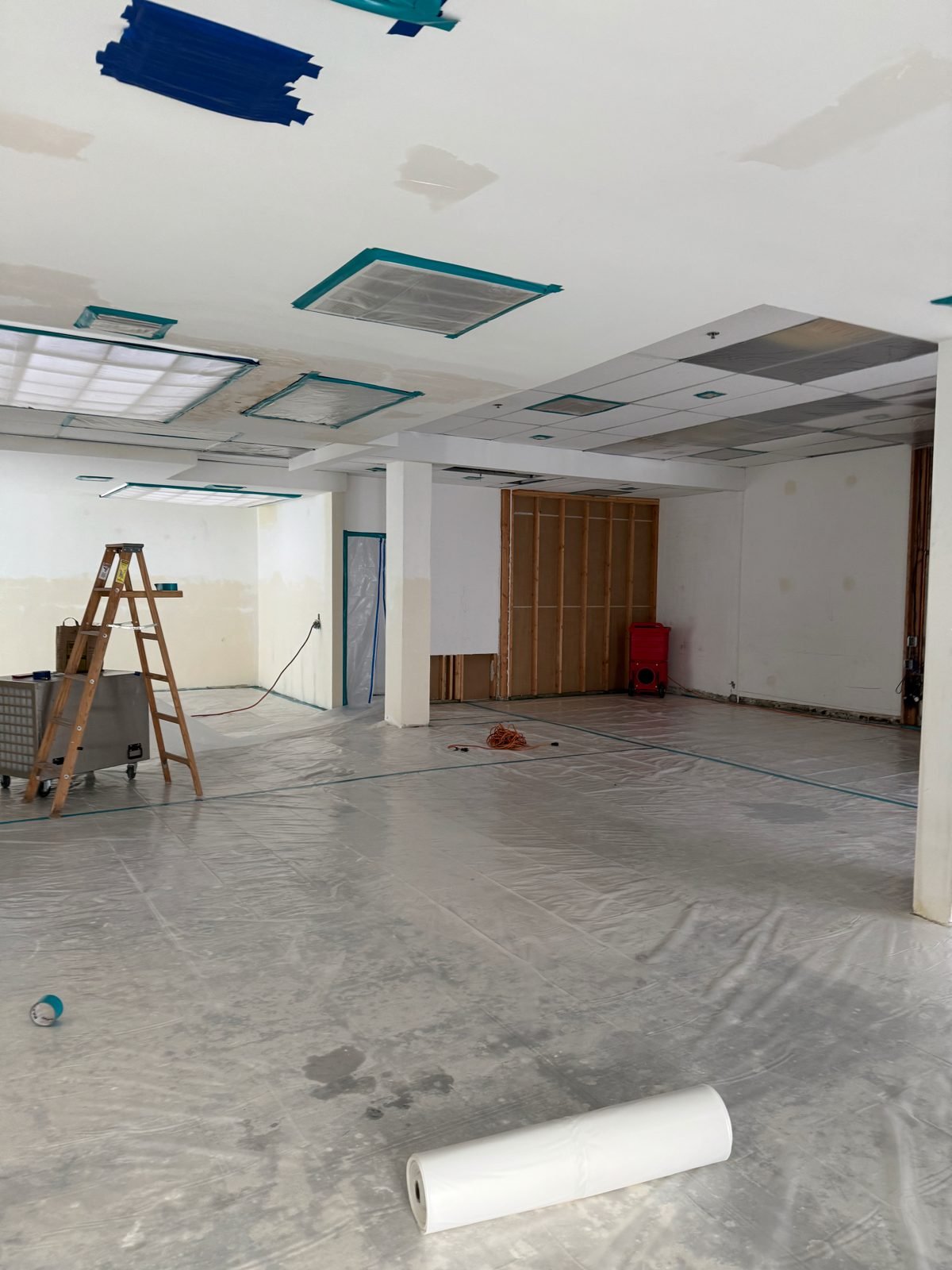
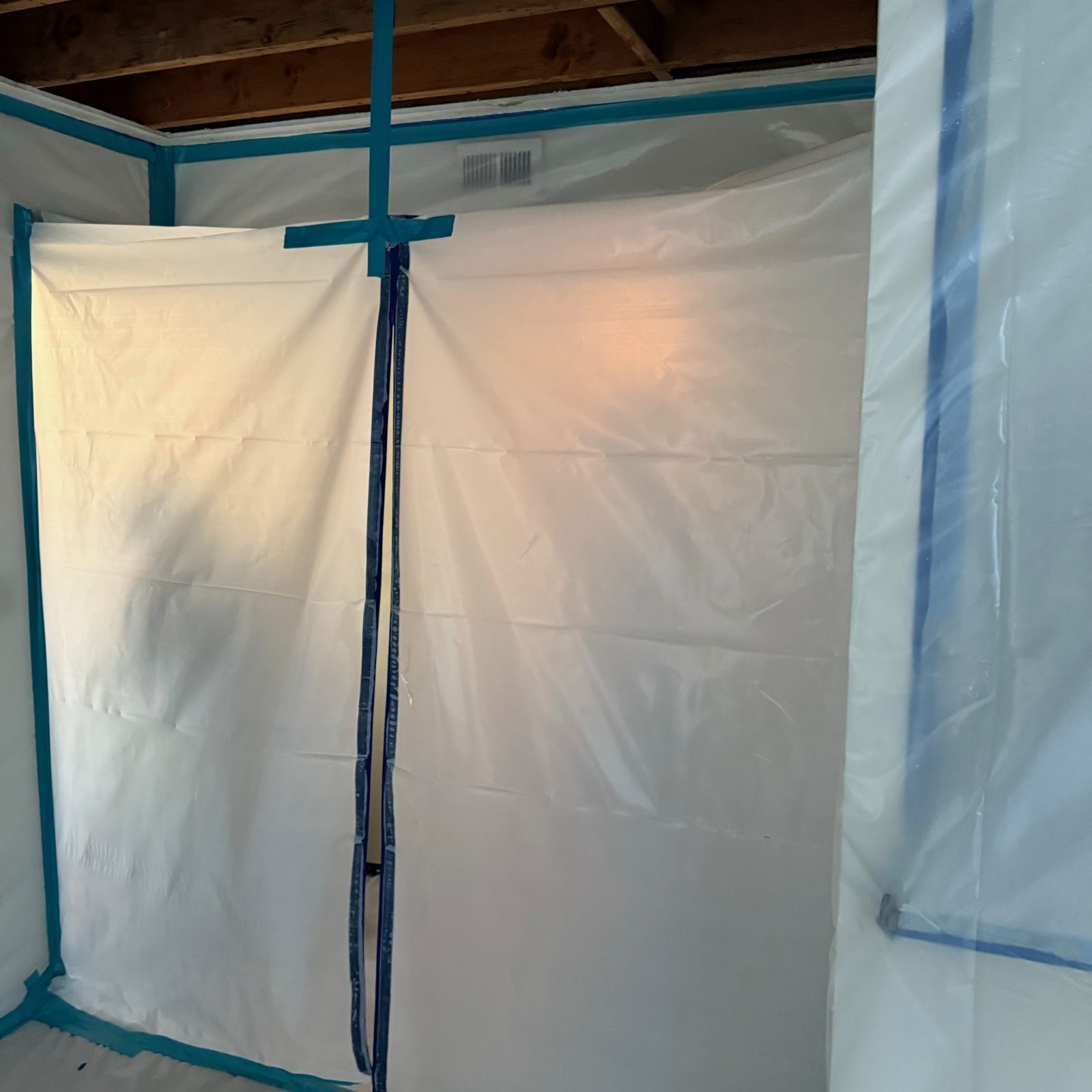
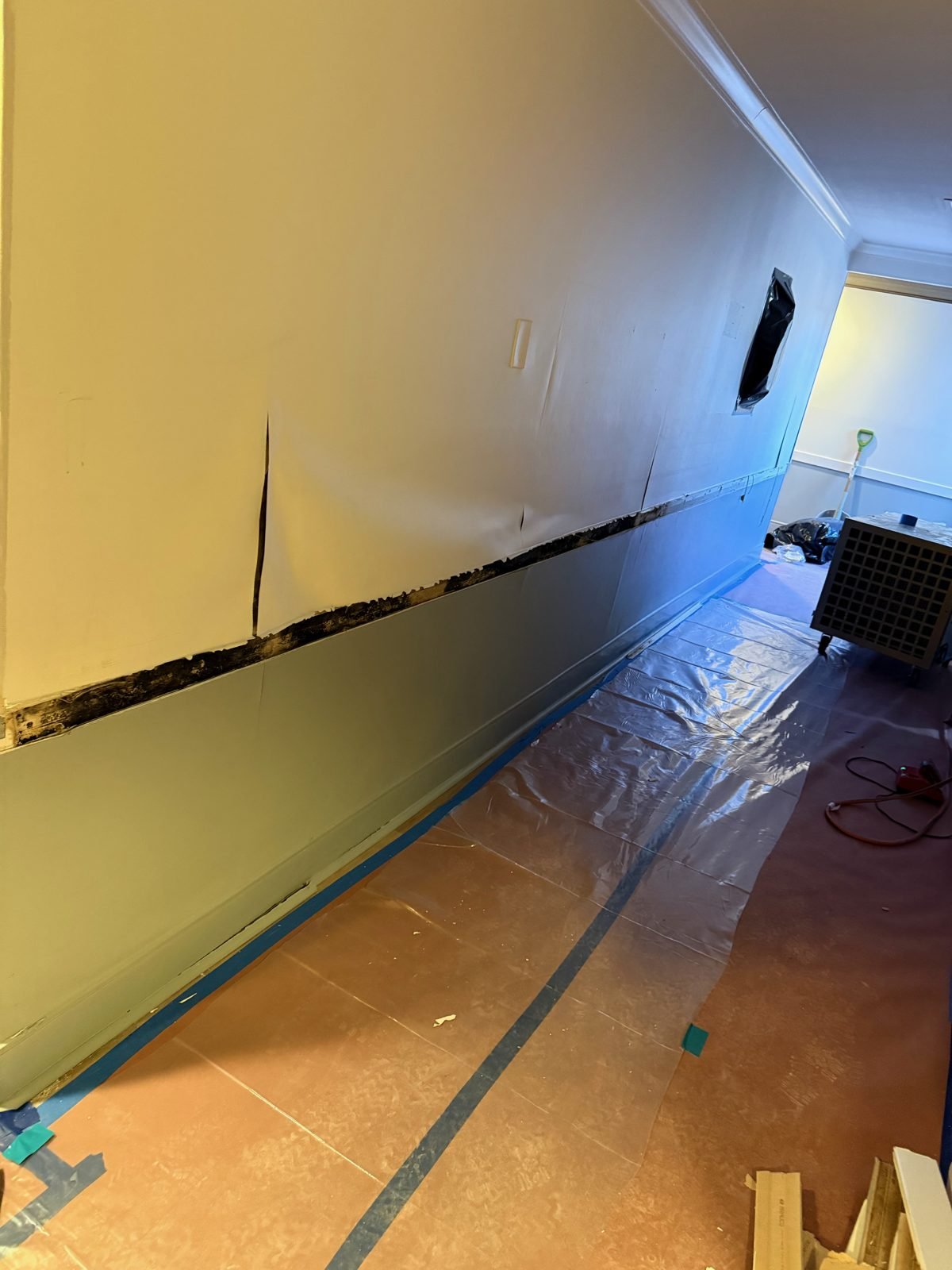
More photos are added as jobs are documented. Call (818) 486-6546 to discuss your situation.
Sewage backup is one of the most variable coverages in insurance — it often turns on whether you carry a specific endorsement.
Sewage backup is excluded from standard policies in most cases.
Often a $50–$100/yr add-on, covered to a limit ($5K–$25K common; higher endorsements available).
If a city mainline caused it, a claim may be filed against the city (specific processes and limits apply).
Many include sewage backup in base coverage; some require endorsements. Business interruption is often separate.
Our process with insurance for sewage jobs
Documentation adjusters respect
We document to IICRC standards for any California carrier
We dispatch from Woodland Hills across LA, Ventura, and Orange Counties. Commercial sewage cleanup available throughout the service area. Full coverage in all three (130+ cities).
Woodland Hills · Tarzana · Encino · Calabasas · Hidden Hills · West Hills · Chatsworth · Sherman Oaks · Studio City · Beverly Hills · Brentwood · Pacific Palisades · Malibu · Topanga · Santa Monica · Pasadena · Altadena · Glendale · Burbank · Long Beach · Downtown LA
Thousand Oaks · Westlake Village · Bell Canyon · Newbury Park · Camarillo · Oxnard · Ventura · Simi Valley · Moorpark
Anaheim · Irvine · Newport Beach · Costa Mesa · Huntington Beach · Santa Ana · Yorba Linda
Seven questions we hear most. For more, see the full FAQ.
24/7 dispatch across LA, Ventura, and Orange Counties with full Cat 3 PPE.
(818) 486-6546Free on-site assessment with a written scope, S500 Category 3 documentation, and business-interruption support.
We use third-party cookies to analyze how the site is used and, when our ad campaigns are active, to measure and personalize advertising. Check the box below and save to opt out of the sale or sharing of your personal information for this browser. We also honor Global Privacy Control signals automatically. Strictly necessary cookies always remain active.