

Fire damage restoration cost depends on how far the smoke and heat traveled, not on how big the burn mark looks. The main drivers are scope (how many rooms, closets and systems the smoke reached), what can be cleaned versus what has to be replaced, the water left behind by firefighting, odor work, your contents, and the rebuild. On the insurance side, a California homeowners policy usually pays in separate pieces: the dwelling, your personal property, and loss of use while the home isn’t livable. Here’s how each piece works, and why two fires that look alike from the street can be priced very differently on the inside.
Why isn’t there one price for fire damage restoration?
Because no two fires leave the same mess. A pan fire that scorched one cabinet and a garage fire that pushed smoke through the whole attic are both “fire damage,” and they’re completely different jobs. Restoration is priced line by line from a written scope: square footage cleaned, materials removed, equipment days, contents handled, and what gets rebuilt.
That’s why we don’t give a number over the phone. We walk the house, document what we find, and you get a written scope and price before work starts. If a company quotes a flat fire price sight unseen, ask them what’s in it and what isn’t.
What drives the cost of fire and smoke damage?
Six things move the number more than anything else:
- How far the smoke spread. Smoke follows air. It moves through hallways, into closets, up into the attic and through the HVAC ducts. A room that never saw a flame can still need a full cleaning.
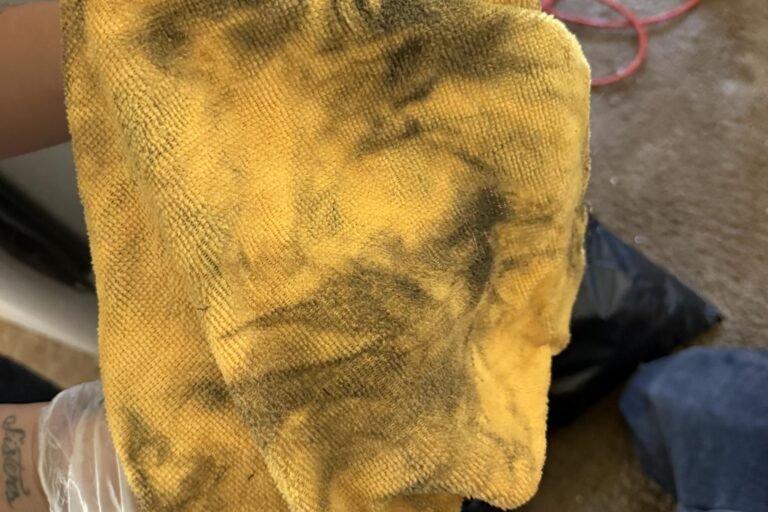
- What kind of residue it left. Burning plastics and synthetics tend to leave an oily residue that smears. Paper and wood tend to leave a drier, powdery soot. Oily residue takes more passes and more labor.
- Porous versus hard materials. Glass, tile and sealed wood usually clean up. Drywall, insulation, carpet pad and upholstery soak up smoke, and soaked materials usually come out.
- Water from putting the fire out. Hoses and sprinklers leave a lot of water behind. It has to be extracted and dried like any other water loss, and that’s its own line in the scope.
- Odor. Cleaning removes residue you can see. Odor work goes after what’s left in framing, subfloors and ducts. Skipping it is how a “finished” house still smells months later.
- Contents and rebuild. Packing out, cleaning and storing belongings is real labor. So is putting walls, floors and cabinets back once the structure is clean.
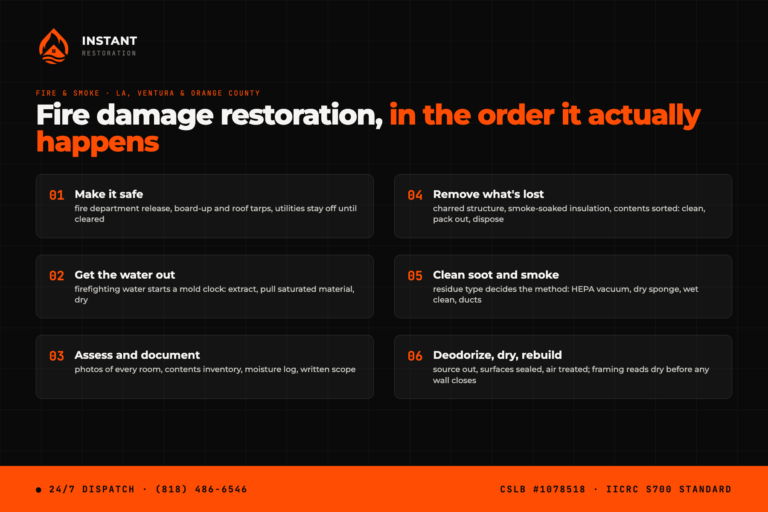
Our fire damage restoration process guide walks through those steps in order, from board-up to rebuild.
Is it cheaper to clean smoke damage or replace what’s damaged?
Cleaning is cheaper item by item, right up until it isn’t. A hard surface with light soot cleans up well. A drywall ceiling that soaked up heavy smoke can take more labor to clean and seal than it would to replace, and it still might hold odor. That call gets made surface by surface, and it’s written into the scope so you can see why.
A few rules of thumb we work by:
- Heat-damaged materials come out. Warped, blistered, melted or charred materials aren’t a cleaning job.
- Soaked insulation comes out. It holds smoke and odor and doesn’t clean.
- Hard, sealed surfaces get cleaned. Dry-sponge first, then wash, so soot doesn’t get smeared deeper.
- Contents get sorted. Some pieces clean at our facility (or partner facility), some don’t come back, and everything gets photographed and listed either way.
If the fire mainly left smoke behind, our smoke damage restoration page covers that work, and our post on smoke odor removal explains why the smell lingers.
What does homeowners insurance cover after a fire in California?
We are restoration contractors, not insurance advisors. What we can do is explain how the pieces of a typical policy fit together, so the paperwork makes sense. The California Department of Insurance’s residential property insurance guide lays out the coverages in plain language, and it’s worth reading next to your own policy.
Most homeowners policies split a fire loss into separate parts:
- Dwelling: the structure itself, which is where cleaning, demolition and rebuilding the house usually land.
- Personal property: your contents, from furniture to clothes. Your list and photos of damaged items matter here.
- Loss of use: often called additional living expenses, for extra costs like a hotel or rental while the home isn’t livable. Your policy sets the limits, so keep every receipt.
Two more terms come up on almost every fire claim. Replacement cost pays to replace an item with a new one of like kind. Actual cash value takes depreciation off the top. Which one your policy uses changes what you get for contents, and it’s spelled out in your declarations page. Fire is a standard covered peril, and smoke is usually part of it, but the wording, limits and exclusions are in your own policy, not in a blog post. The Department’s disaster and catastrophe resources are the place to start after a declared wildfire.
How does a restoration contractor work with your insurance company?
We document the loss; the adjuster decides what’s covered. In practice that means photos of every room, a written scope with line items, and a record of what was cleaned, removed and thrown out. That paperwork is what an adjuster needs to review a claim, and it’s the same whether you file or not.
We are not public adjusters, and we do not represent you in coverage discussions. If you disagree with a coverage decision, the Department of Insurance’s consumer pages explain your options. And to be upfront about how we work: payment is owed regardless of the insurance outcome, and that’s in writing before the job starts, so nobody’s surprised later.
The fire damage restoration page covers what we do on a fire job, and our reconstruction page covers the rebuild once the structure’s clean and dry.
How can you keep fire restoration costs down?
You can’t undo the fire, but you can keep the bill from growing after it:
- Photograph everything before cleanup. Every room, every damaged item, wide shots and close-ups. It helps your claim and it helps the scope.
- Don’t wipe soot with a wet rag. It smears residue into paint and grout, and a cleaning job turns into a repaint.
- Don’t run the HVAC if there’s ash in the returns. It spreads smoke residue to rooms that were clean.
- Get openings covered. Broken windows and roof openings let rain in, and water damage on top of fire damage adds a whole second job.
- Start drying the firefighting water early. Wet materials that sit too long can grow mold, which is another scope.
- Keep receipts. Hotel, meals, laundry, storage. Loss-of-use claims run on receipts.
Had a fire? Call (818) 486-6546. We answer 24/7, and scheduled on-site assessments run Monday to Saturday, 9 AM to 5 PM. You’ll get a written scope and price before work starts.
Oren Gedalia, Owner — IICRC-certified · CSLB #1078518