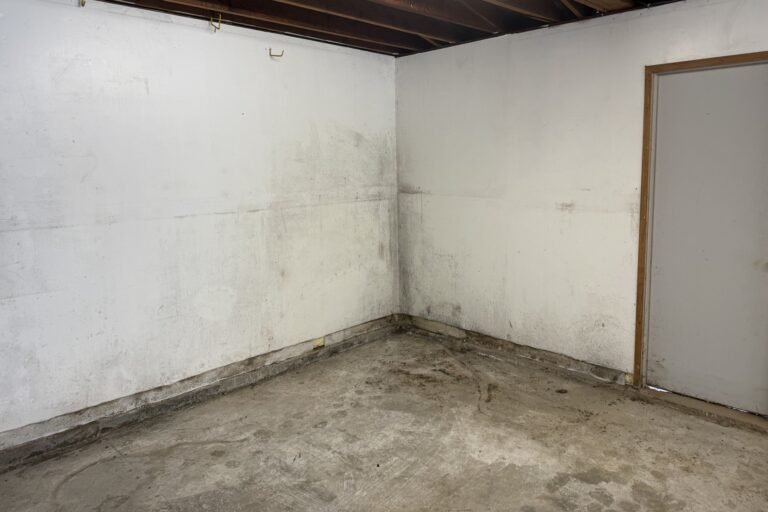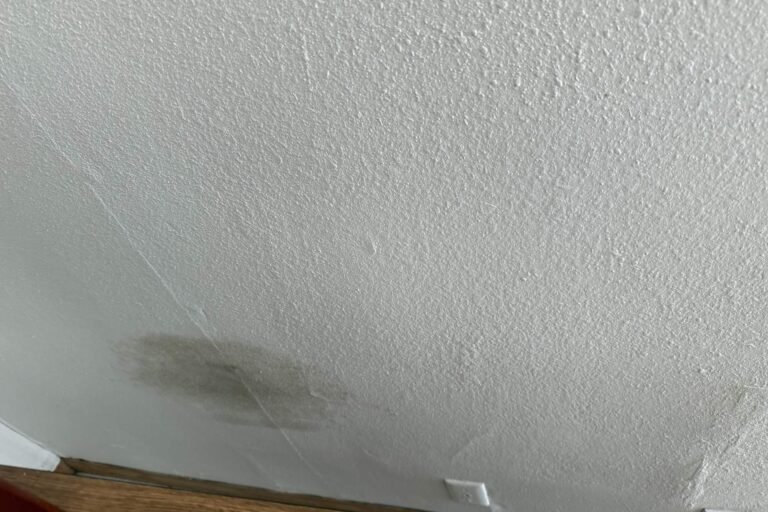

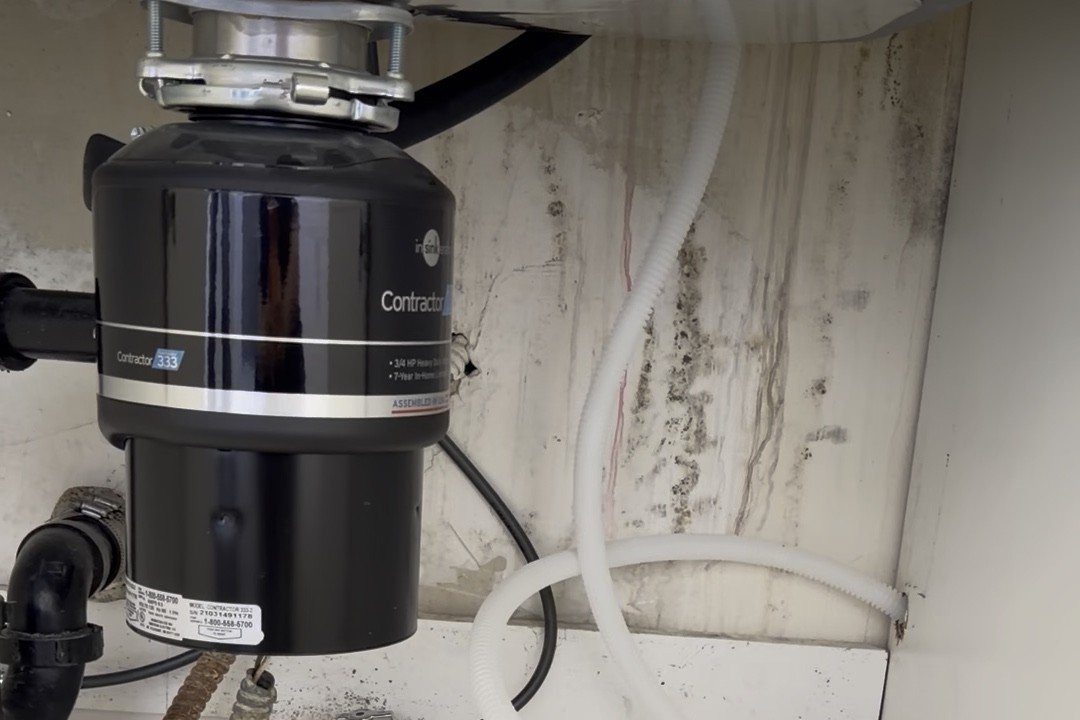
Here’s the answer nobody gives you straight: in California, homeowners insurance covers mold sometimes — and the difference between covered and denied usually has nothing to do with the mold itself. It comes down to two questions: what caused the moisture, and how fast you acted. We see both sides of this weekly on remediation jobs across LA, Ventura, and Orange County, so here’s how the coverage actually works.
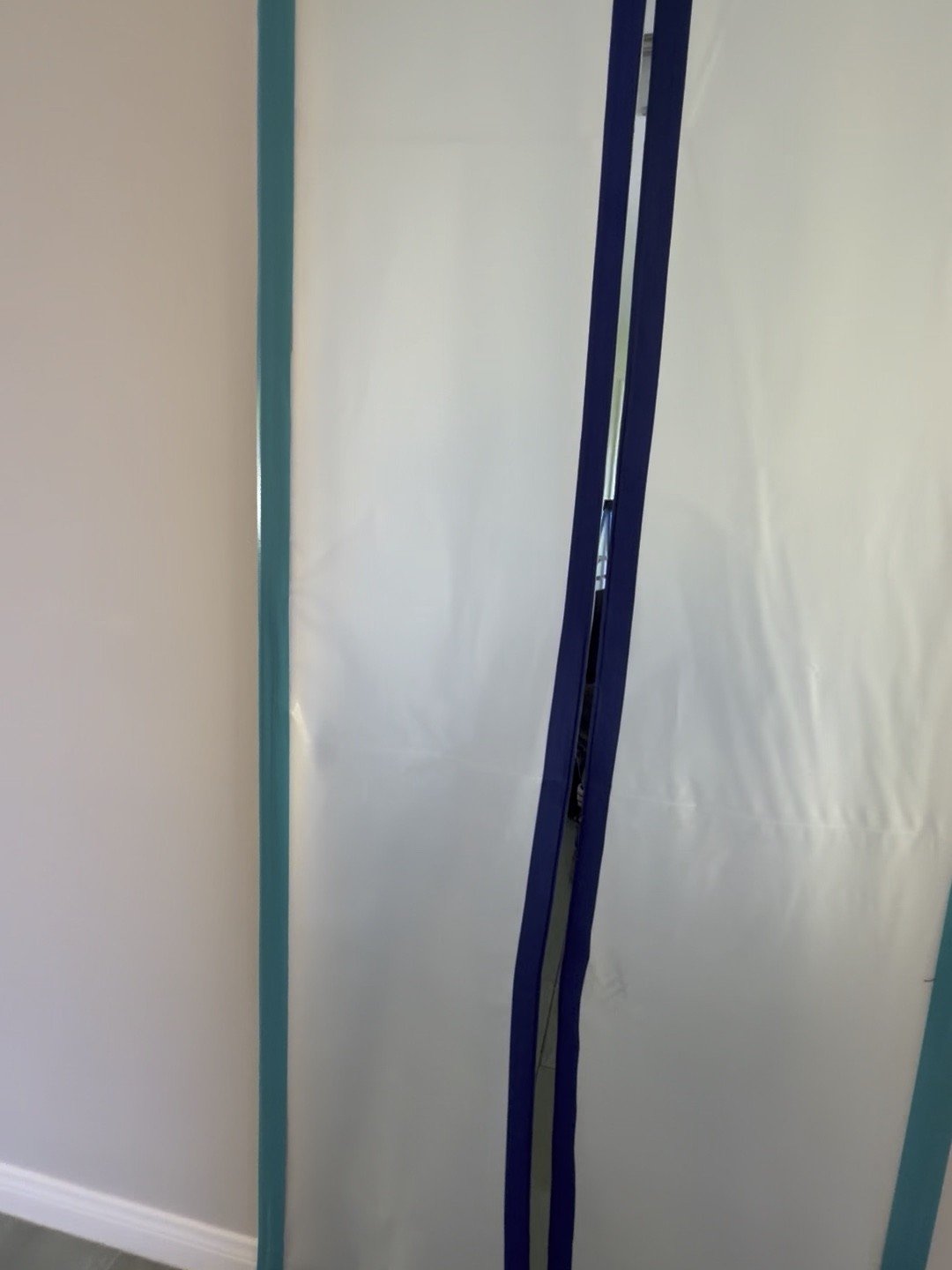
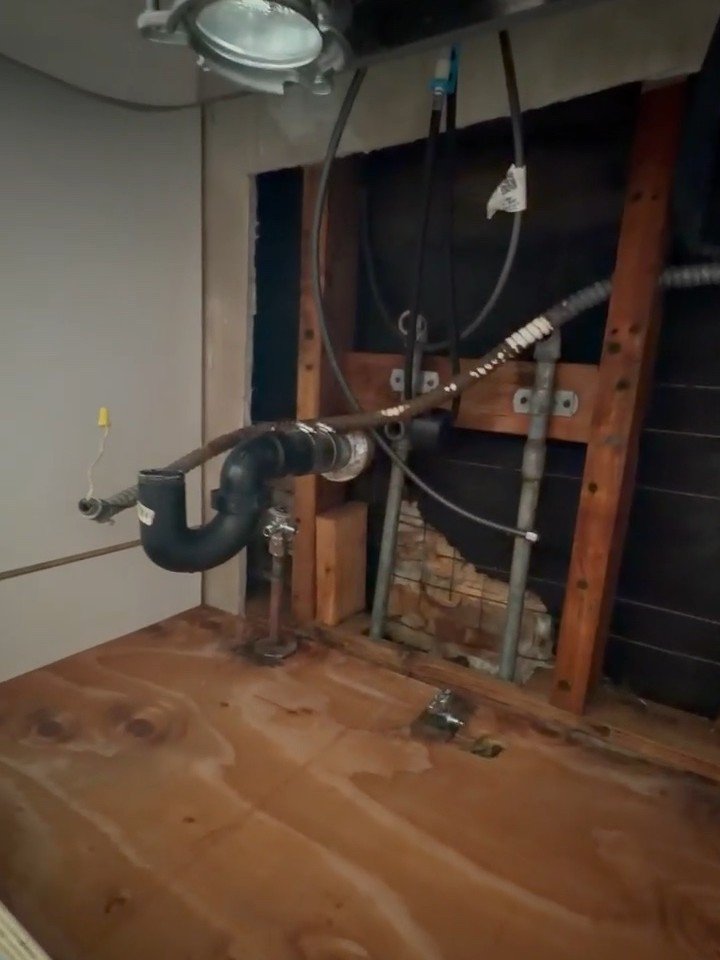
Before the policy talk — this is what professional mold remediation actually looks like. Two minutes inside a real Woodland Hills job, containment to the opened wall (the photos in this article are from the same job):
The Rule That Decides Everything
Standard homeowners policies don’t cover mold as its own peril. They cover mold when it results from a sudden and accidental water event that the policy already covers — a burst pipe, a failed water-heater or washing-machine line, an appliance overflow. If that kind of loss happens and mold follows despite reasonable action on your part, remediation is typically part of the claim.
Flip the cause, and coverage flips with it. Mold from a slow leak under the sink that ran for months, from poor ventilation, from deferred maintenance, or from humidity — generally excluded, because insurers classify those as preventable. And mold from rising outside water (storm flooding, mudflow) isn’t a homeowners matter at all; that lives under separate flood coverage.
The Cap Most People Discover Too Late
Even when mold is covered, most California policies contain a mold sublimit — commonly in the $5,000–$10,000 range — that caps remediation regardless of your overall dwelling limit. A contained, early-caught problem often fits inside that. A wall-cavity problem that spread for weeks may not. Two takeaways: read your policy’s mold sublimit today (it’s listed in the declarations or endorsements), and know that many insurers sell higher mold limits for a modest premium — a conversation worth having if you’ve had water issues before.
Why Claims Really Get Denied — and How to Not Be That Claim
Most mold denials trace to one of three findings: the moisture source was gradual, the damage wasn’t reported promptly, or the homeowner couldn’t document the timeline. All three are addressable before anything goes wrong:
- Act on water fast and prove it. Professional water damage drying within the first day is the single best claim protection there is. The clock matters — mold can start inside 24–72 hours, and “prompt action” is a policy condition. Our guide to the first 24 hours after water damage is, in insurance terms, a how-to for staying covered.
- Photograph the source before repairs. The burst fitting, the split hose — that image is your proof the loss was sudden.
- Report early, even if it seems small. A dated claim beats a reconstructed memory. Late notice is a denial reason on its own.
- Fix small leaks when you find them. A documented history of maintenance is quiet evidence in your favor; an ignored stain is evidence for the other side.
Where We Fit — and Where We Deliberately Don’t
We perform mold remediation — containment, removal, and treating the moisture source per the IICRC S520 standard — and we document every step in the format carriers expect: moisture readings, photos, scope, and a defensible paper trail. Two honest boundaries: we don’t sell mold testing or inspections (testing your own remediation work is a conflict of interest; independent third-party hygienists handle clearance), and we’re not public adjusters — we don’t negotiate or settle claims. What we do is make your claim easy to support with documentation built for it.
What Does a Covered Mold Claim Actually Look Like?
A washing-machine supply line splits on a Tuesday. You find it that evening, shut the valve, photograph the split line and the wet floor, and call your carrier the next morning. Drying starts within a day; behind the baseboards, a patch of mold shows up anyway. That claim generally gets paid: sudden cause, prompt notice, documented response — the mold is treated as part of the covered water loss.
Now the same house, different story. The line didn’t split; it seeped for four months behind the machine. By the time the wall shows staining, the moisture is old news and the mold is established. The adjuster’s inspection finds corrosion and long-term water marks, the loss is classified as gradual, and the claim is denied — not because of the mold, but because of the timeline that produced it.
Same wall, same species of mold, opposite outcomes. Which is the practical point of this whole article: you can’t control which kind of leak you get, but you fully control the speed and the paper trail — and those are the two things carriers actually judge.
The Short Version
Covered mold is fast mold: a sudden cause, a quick report, a documented response. If you’re staring at water damage right now and want the mold clock handled before it becomes a claim problem, call (818) 486-6546 — we answer 24/7 across LA, Ventura, and Orange County.
We are restoration professionals, not insurance advisors or medical professionals — confirm your specific coverage with your carrier or agent; the California Department of Insurance’s residential guide is the neutral reference.
Oren Gedalia, Owner — CSLB #1078518