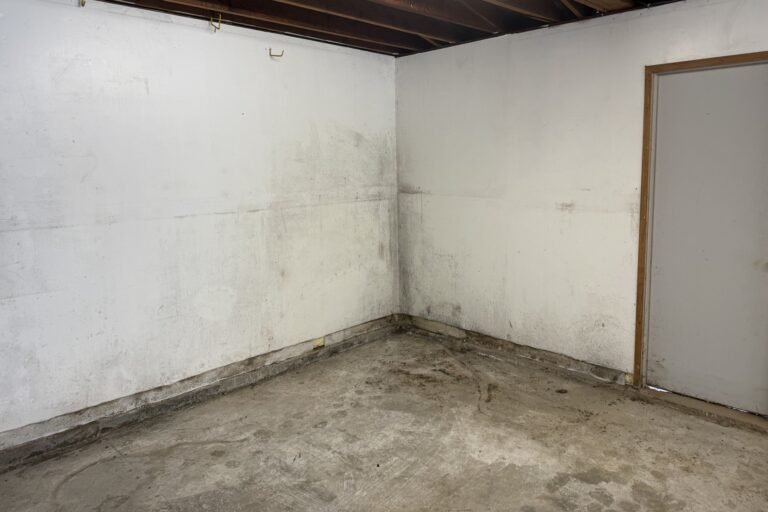

Your home survived the wildfire. The flames stopped blocks away, the walls look fine, and nothing burned. So why does it still smell like a campfire two months later — and why do the blinds leave gray dust on your fingers? Because fire damage and smoke damage are two different problems. Fire damage is what combustion destroys: framing, roofing, drywall. Smoke damage is what the air carries into every room the fire never touched — and it’s the reason smoke damage restoration exists as its own discipline. Soot is acidic. Left in place, it keeps etching paint, corroding metal, and re-releasing odor until someone physically removes it. We see this on real jobs: a house that “looked clean” can shed a full sponge of soot from a single wall.
This is that Camarillo job — the vacuum pass, the sponge pass, and the proof:
What’s the difference between fire damage and smoke damage?
Fire damage is structural. Flames and heat consume or weaken whatever they touch — framing, roofing, siding, windows. It’s obvious, it’s photographed for the claim on day one, and it usually means fire damage restoration: demolition, board-up, and rebuild.
Smoke damage travels. During a wildfire, smoke gets pushed into neighborhoods under pressure for hours or days. It enters through attic vents, door gaps, window seams, and HVAC intakes, then settles as a film of soot on every surface — walls, ceilings, closet interiors, electronics, the tops of door frames. The particles are microscopic: the EPA notes that the fine particles in wildfire smoke penetrate buildings and are small enough to reach deep into the lungs. A home can take on serious smoke damage with zero fire damage.
The two also behave differently over time. Fire damage is done when the fire is out. Smoke damage keeps working. Soot residue is acidic, and acidity plus humidity means ongoing corrosion: yellowing paint, pitted chrome and aluminum, etched glass, tarnished electronics contacts, and an odor that soaks deeper into porous material every week.
The Camarillo house that looked clean
On November 6, 2024, the Mountain Fire started near Balcom Canyon outside Somis and ran toward Camarillo on Santa Ana winds. By containment it had burned 19,904 acres, destroyed 243 structures, and damaged 126 more, according to CAL FIRE’s incident report. Hundreds of other homes in and around Camarillo never burned — but they sat inside the smoke column.
We cleaned one of them. The house was standing, intact, and by any quick walkthrough, fine. Months after the fire, the smell hadn’t left. Here’s what we actually found:
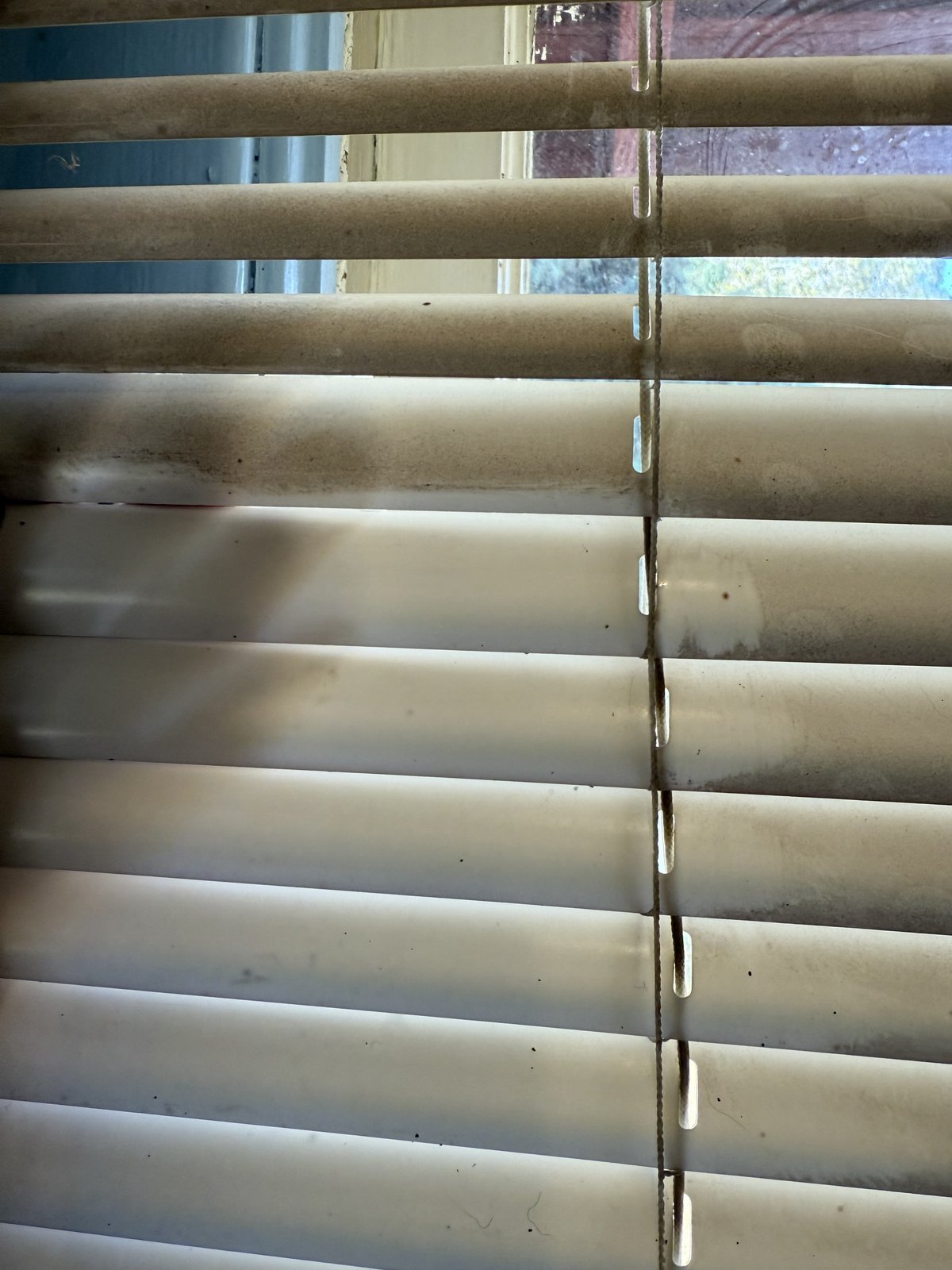
- The blinds told the story first. Every slat carried a film of residue — with clean stripes where the slats overlapped. Smoke had moved through a closed window’s gaps and settled on everything behind it.
- The window sills were speckled black along the jambs, where outside air had been forced through the frame for days.
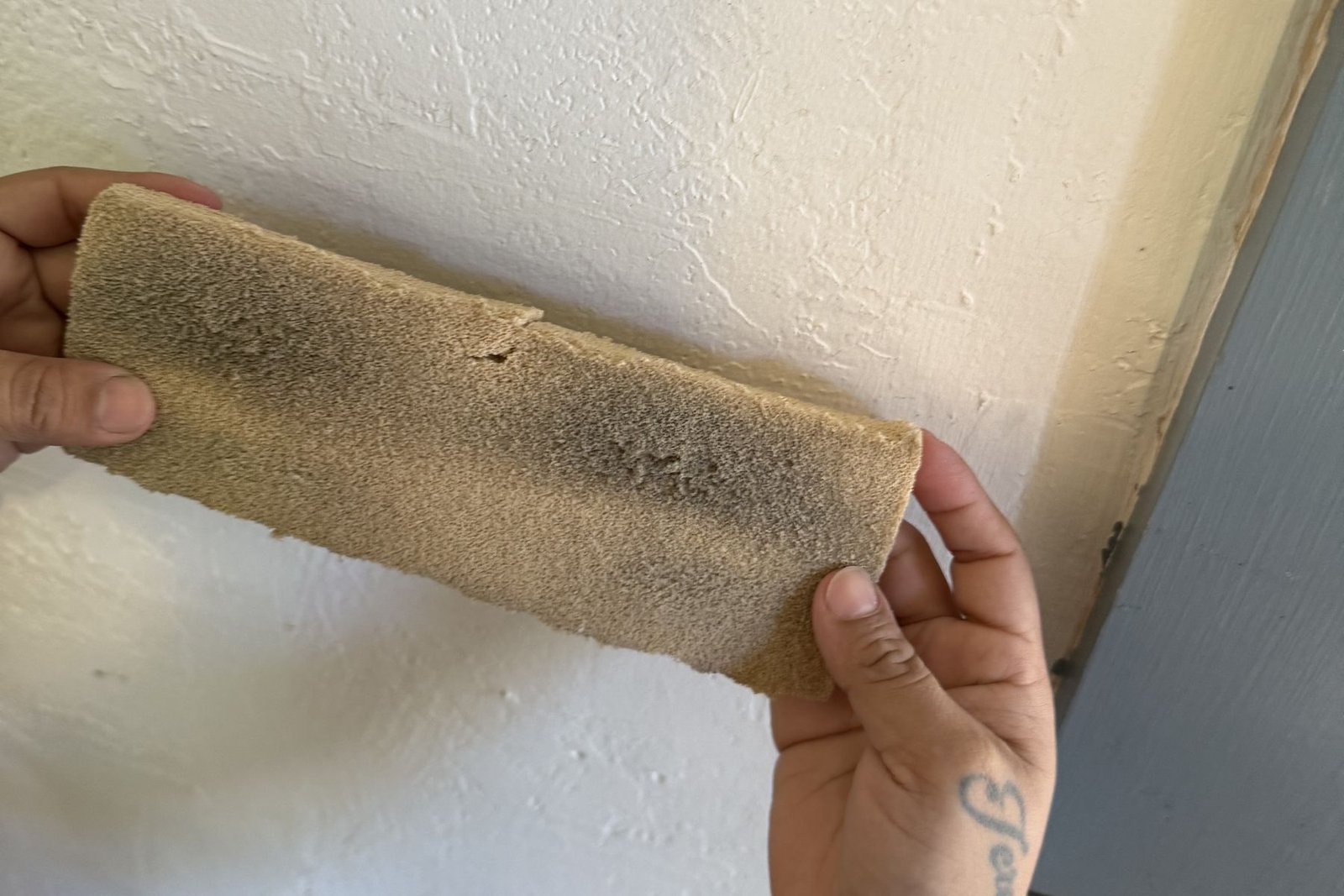
- The walls passed the eye test and failed the sponge test. One pass with a dry chemical sponge across a white wall came away gray-brown. The photo at the top of this post is that sponge, on that wall, that day.
This is the trap with wildfire smoke: the damage is invisible until you test for it, and the odor is the only symptom most homeowners act on. By the time someone calls because the smell won’t leave, the soot has been corroding surfaces for weeks or months.
The sponge test: how we show homeowners what’s really on their walls
A dry chemical sponge — vulcanized natural rubber, no cleaner, no water — is the standard tool for lifting soot from porous surfaces. It’s also the most honest assessment tool in the truck. Wipe one section of wall and look at the sponge: if it comes away gray, the “clean” house has a soot film.
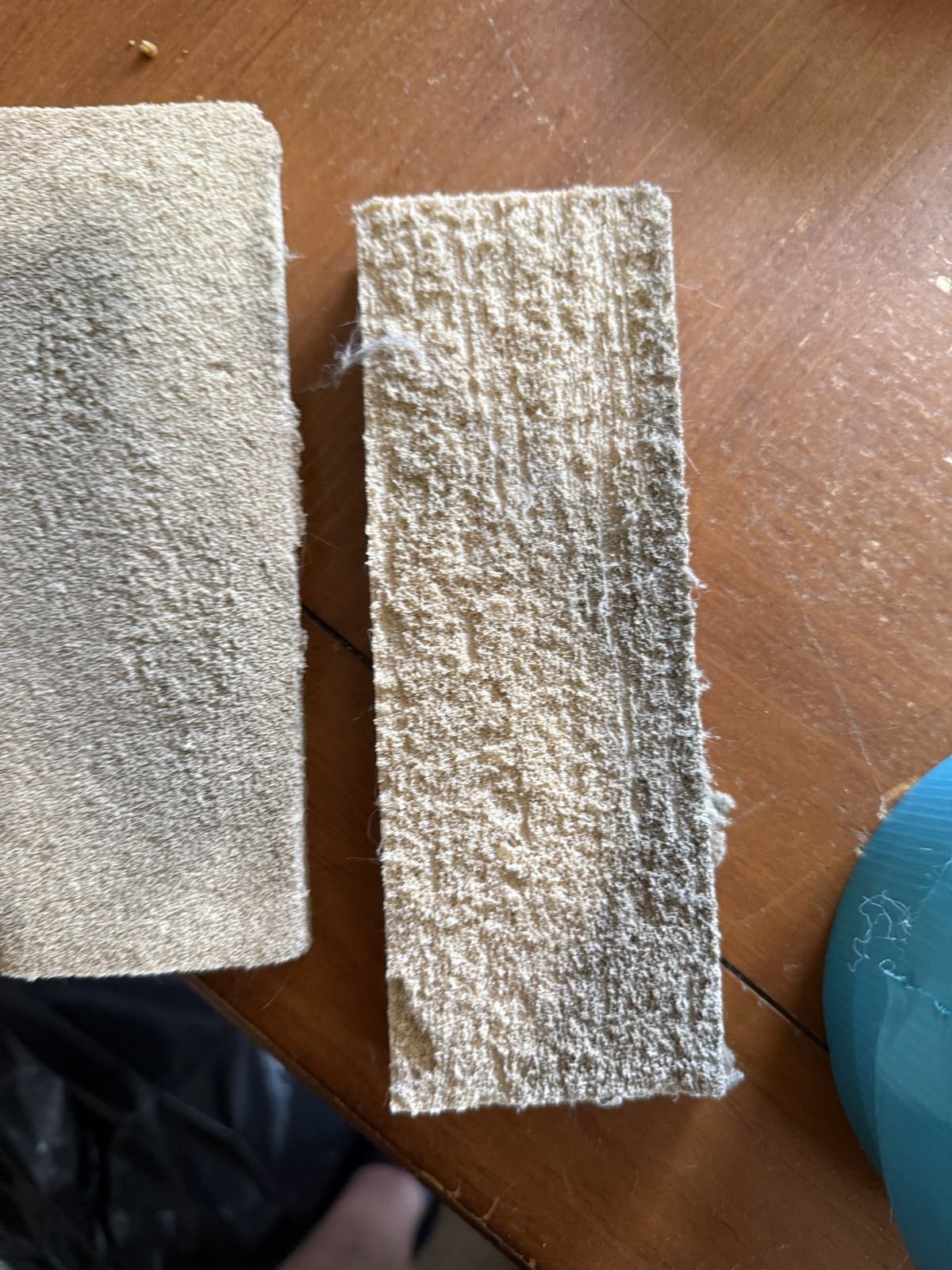
That’s a new sponge next to the one we used on a single wall section of the Camarillo house. Nobody would have called that wall dirty. Every wall in the room did the same thing.
How does smoke damage restoration actually work?
The order of operations is the whole job. Working to IICRC standards, it runs dry-to-wet, top-to-bottom:
- HEPA vacuuming. Every surface gets vacuumed with HEPA filtration first — ceilings, walls, sills, and carpet, which holds soot like a filter. In Camarillo, the carpet released soot to the vacuum long after it looked normal.
- Dry chemical sponging. Walls and ceilings are wiped in overlapping single passes. Sponges load up fast — we go through stacks of them on a single house.
- Wet cleaning, only after dry. Once the loose soot is off, remaining film comes off washable surfaces with degreasing cleaners.
- Contents and soft goods. Blinds, fabrics, and furniture are cleaned or, when the residue has bonded permanently, documented for the claim and replaced.
- Odor treatment. Smell that survives cleaning lives in what you can’t wipe. Air scrubbing and source removal handle it — masking sprays don’t.
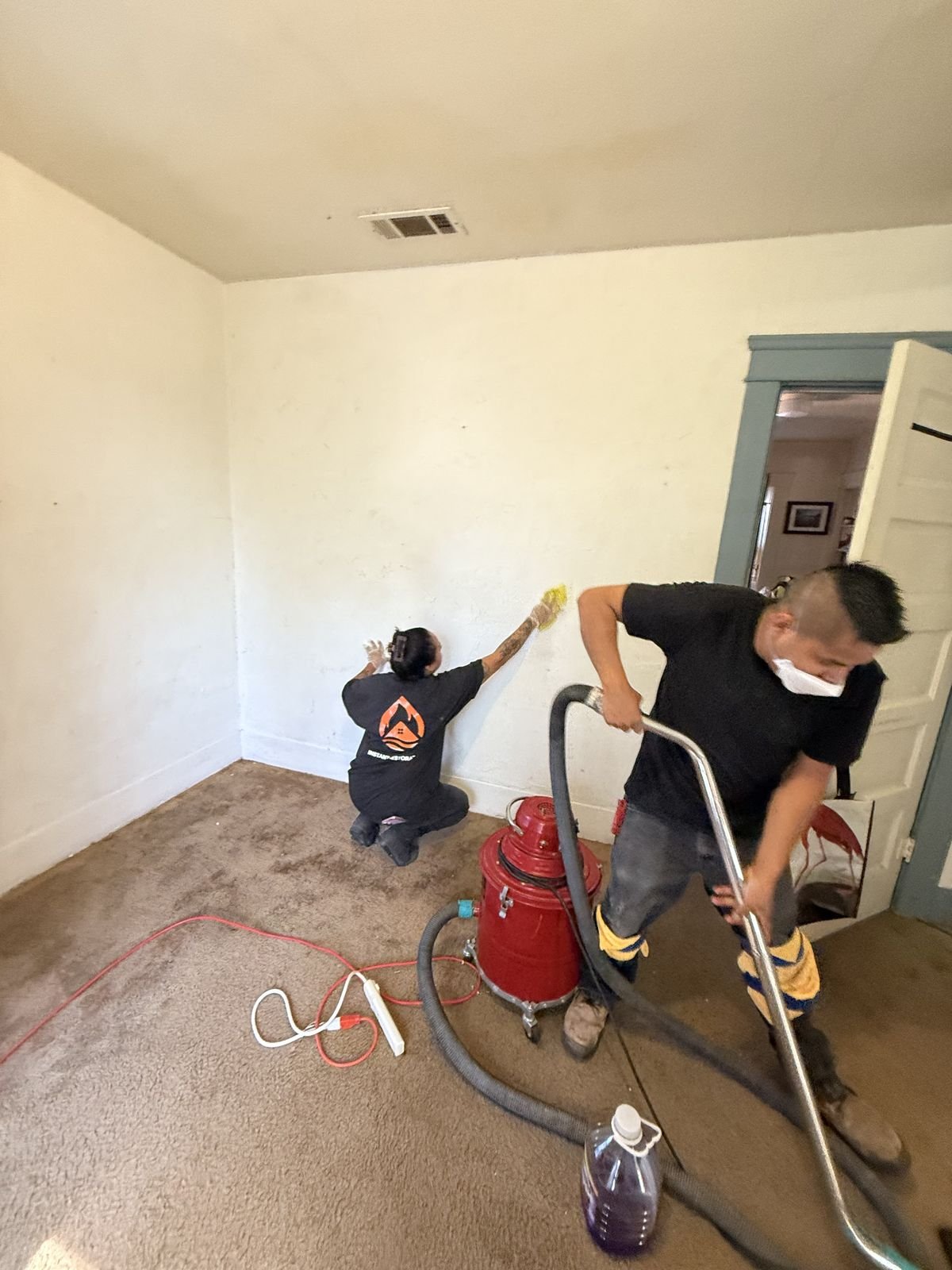
That’s our crew in the Camarillo house: HEPA vac on the carpet, dry sponges on the walls, every surface in the room, in sequence. It’s not complicated — it’s thorough, and the order is non-negotiable. Skip the dry stage or repaint over soot, and the odor and the corrosion come back through.
Does insurance cover smoke damage if nothing burned?
Usually, yes. Most homeowners policies treat smoke as a covered peril, and after a declared wildfire, smoke claims from non-burned homes are routine — the Mountain Fire generated hundreds of them across Ventura County. Two things matter for yours:
Document before you clean. Photograph the sponge test, the blinds, the sills — anything that shows residue. Once surfaces are cleaned, the evidence is gone.
Get the damage assessed professionally. A restoration contractor’s scope of work — what’s cleanable, what needs replacement, what the odor treatment requires — is the document your claim is built on. We prepare that scope and work directly with your adjuster. We’re restoration contractors, not public adjusters, so we don’t negotiate your settlement — but we make sure the physical damage is fully documented so nothing gets missed.
If you’re in a burn area’s smoke path anywhere in Ventura County — or dealing with the aftermath of the LA-side fires we’ve covered in our Eaton fire recovery guide — the same rules apply.
When to call a professional
Run the test yourself: buy a dry chemical sponge at any hardware store, wipe one hidden section of wall, and look at it. Clean sponge — you likely caught a light exposure, and careful DIY cleaning may be enough. Gray sponge — the whole envelope of the house has residue, including places you can’t reach: attic, ductwork, wall cavities, carpet pad. That’s a smoke damage restoration job, and the sooner it starts, the more of your home is cleanable instead of replaceable.
We answer 24/7 at (818) 486-6546, and we work wildfire smoke jobs across Los Angeles, Ventura, and Orange County. If you just want a straight answer on whether your house needs professional cleaning — call, describe what the sponge showed, and we’ll tell you.
Oren Gedalia, Owner — CSLB #1078518