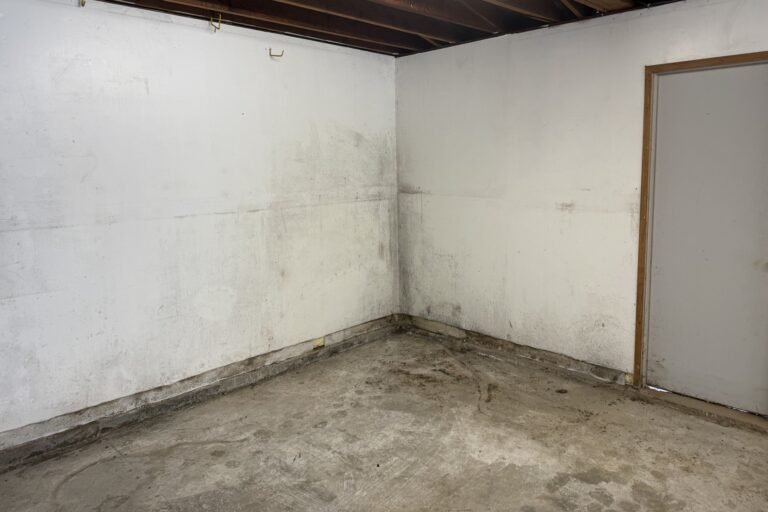


Here’s the short, uncomfortable answer: standard homeowners insurance does not cover mudslide or debris flow damage in California — earth movement and flood are both excluded from the typical policy. But “not covered by your homeowners policy” is not the same as “not covered at all.” There are three real paths to coverage, and after the recent wildfires one of them matters more than ever: a separate NFIP flood policy covers mudflow; a specialty DIC policy can cover landslides; and when a slide comes off a recent burn scar, California’s Department of Insurance has told insurers that the fire — a covered peril — may be the legal cause, putting the claim back on the fire policy. Whether insurance covers your mudslide or debris flow damage comes down to which of these applies, and the worst time to find out is after the hillside moves.
Why doesn’t homeowners insurance cover mudslides?
Two standard exclusions stack against you. The earth movement exclusion knocks out landslides, mudslides, sinkholes, and settling — anything where ground itself moves. The flood exclusion knocks out water and water-borne material entering from outside: storm runoff, rising water, and the muddy front edge of a debris flow. A debris flow manages to be both at once, which is why carriers historically denied these claims outright. The California Department of Insurance’s residential guide lays the exclusions out plainly.
Path 1: an NFIP flood policy — and the mudflow distinction
The National Flood Insurance Program draws a line most homeowners have never heard of. Mudflow — a river of liquid, flowing mud moving across normally dry land — is treated as flood and IS covered by an NFIP flood policy. Landslide or mudslide — a mass of earth sliding, even a wet one — is earth movement and is NOT. In practice: the soupy brown current that runs down the street and through your door is a covered mudflow; the hillside slumping into your back wall as a body of ground is not. Many real events involve both, which is exactly why documentation matters so much (more below). Two practical notes: you don’t need to be in a mapped flood zone to buy NFIP coverage, and policies typically take 30 days to go into effect.
Path 2: after a wildfire, the fire policy may owe — California’s proximate-cause doctrine
This is the path burn-scar homeowners need to know. California recognizes the doctrine of efficient proximate cause: when a chain of events causes damage, the claim follows the dominant cause, not the last link. Fire is a covered peril on every homeowners policy. So when a burn scar sheds a debris flow — because the fire destroyed the vegetation and soil that held the hillside — the fire can be the legal cause of the mud in your living room.
This isn’t theory. After the 2018 Montecito debris flows that followed the Thomas Fire, the Department of Insurance formally reminded insurers of this doctrine, and carriers went on to pay over $421 million in claims. And in 2025, after the Palisades and Eaton fires, Commissioner Lara issued a consumer alert and bulletin telling insurers the same principle applies to slides coming off the current burn scars. If your home sits below one of the scars we’ve mapped in our burn-scar flood prep guide or the Eaton fire recovery guide, do not let anyone tell you “mudslides are never covered” without the fire question being asked.
To be clear about our lane: we’re restoration contractors, not public adjusters or insurance advisors. We don’t negotiate claims and we can’t tell you what your policy owes — that’s between you, your carrier, and if needed the Department of Insurance’s consumer hotline. What we can tell you is that this doctrine exists, it’s paid real claims, and it’s the reason you file rather than assume.
Path 3: DIC policies for hillside homes
A Difference in Conditions (DIC) policy is specialty coverage that fills the standard policy’s gaps — typically landslide, mudslide, earthquake, and flood in one wrapper. Hillside homeowners in slide-prone parts of LA and Ventura County buy them for exactly the scenario this article covers. They’re not cheap and not standardized, so this is an ask-your-agent conversation — but if your home sits on or below a steep slope and you’d be wiped out by a slide, a DIC quote is worth the phone call.
What should you do if mud gets into your home?
- Photograph everything before anything is touched or cleaned. Where the mud entered, how it flowed, how liquid it looks, high-water lines. The mudflow-vs-landslide distinction and the fire-causation question are both argued with evidence, and cleanup erases it.
- File the claim even if you expect a denial. Coverage questions this unsettled get resolved by adjusters, appraisers, and sometimes the CDI — not by a homeowner pre-deciding not to file.
- Stop the damage from compounding. Mud holds moisture against framing and drywall; within days a flood job becomes a mold job. Extraction and drying can start while coverage is being sorted — our flood damage cleanup crews document as we work, and that documentation feeds the claim.
- Use the state’s resources. The Department of Insurance hotline (800-927-4357) answers coverage questions for free, and their consumer alerts spell out your rights after declared disasters.
Mud in the house and not sure what to do first? Call (818) 486-6546 — 24/7 across Los Angeles, Ventura, and Orange County. We’ll start the documentation and the dry-out; the coverage answers come easier when the evidence is solid.
Oren Gedalia, Owner — CSLB #1078518